
Trivago vs Kayak: How Hotel Meta-Search Actually Works
Both promise to find the cheapest hotel price across the web. Both have structural reasons the price they show isn't always the cheapest one available.
 Maya BergstromEditor, Hotel Pricing Research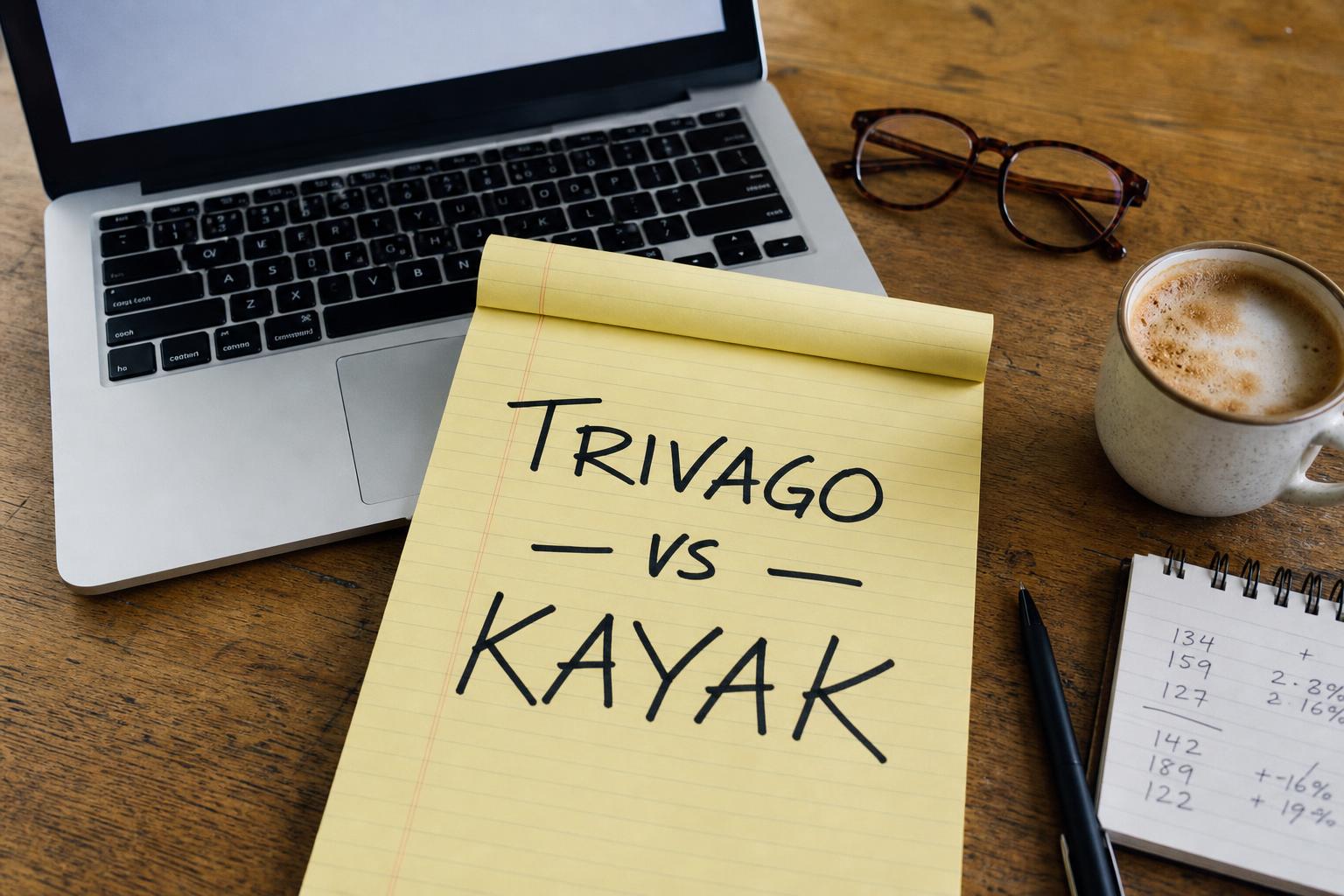
Trivago and Kayak are meta-search engines. They don't sell hotels themselves — they aggregate prices from OTAs and chain sites that do, then send you off to book. The promise is one view of every price. The reality is more nuanced.
How each tends to be useful
- Trivago: broader OTA coverage in Europe, particularly for mid-range and budget independents. Cleaner mobile filtering by amenity.
- Kayak: better integration with chain direct rates in the US, and a price-prediction widget for major US destinations.
Why the 'lowest price' isn't always the lowest
Meta-search sites are paid by OTAs for click referrals. OTAs that pay more for placement get ranked more prominently. Booking sites that don't pay for placement — sometimes including the hotel's own direct rate — can be buried or omitted entirely. This is a structural feature of the business model, not a bug to fix.
What this article isn't claiming
We haven't run a controlled paired study of Trivago vs Kayak, so we won't tell you 'Trivago surfaced the cheapest rate 17 of 30 times'. The reality: each is useful for shortlisting, neither is reliably the final answer.
FAQ
Is Trivago owned by Expedia?
Expedia Group owns a majority stake in Trivago.
Is Kayak owned by Booking?
Yes. Kayak is part of Booking Holdings, alongside Booking.com, Priceline, and Agoda.
Why are meta-search prices sometimes different from the booking site?
Meta-search prices can be stale, exclude taxes or fees the booking site adds later, or reflect a different rate class. Always confirm the final total on the OTA before paying.
Works in the background on Booking, Expedia, Hotels.com, Agoda and 4 more sites. Surfaces a cheaper price for the exact same room when one exists. No sign-up.
Add to Chrome — it's free